Pietrasanta
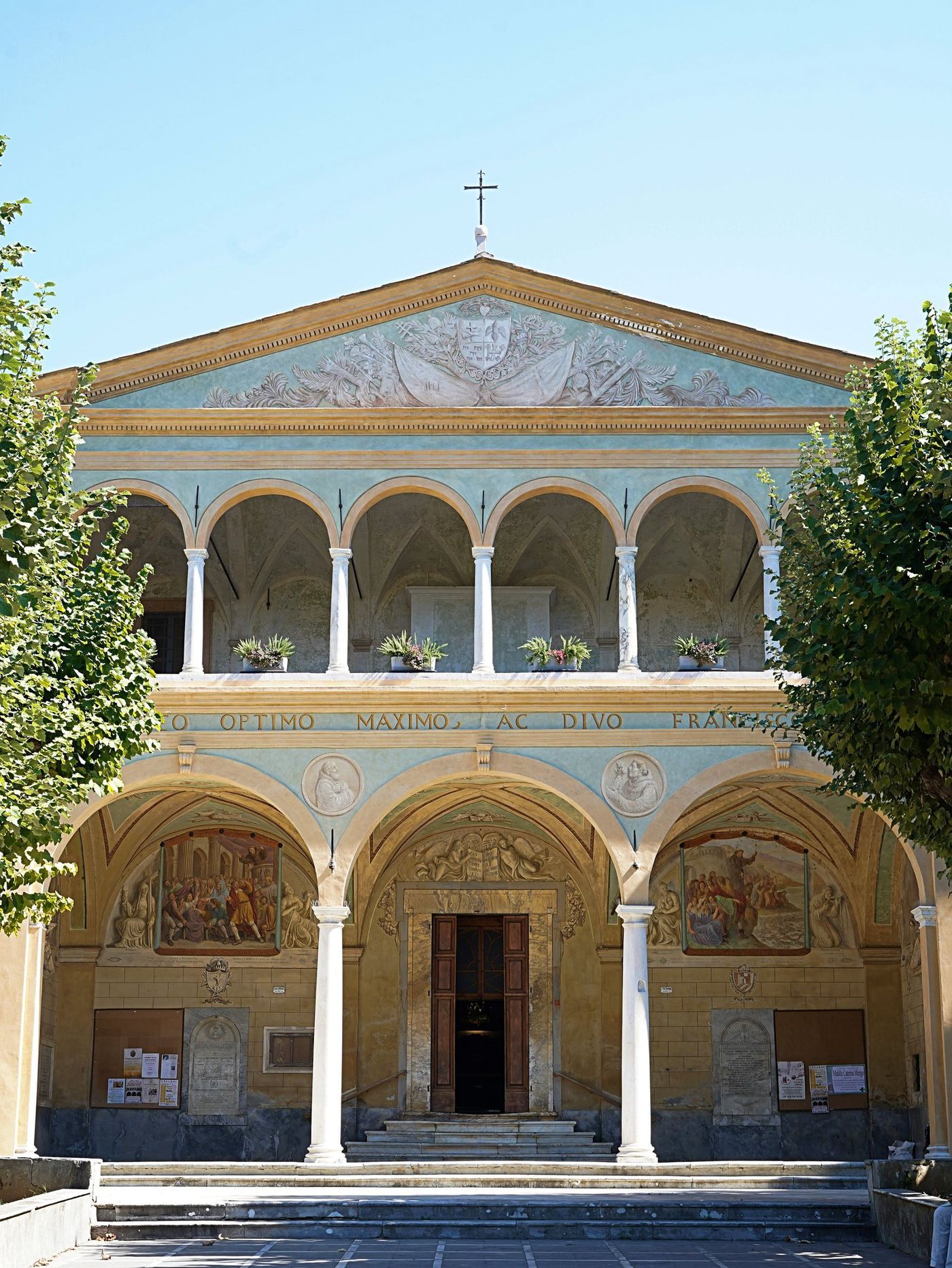
A town of eight thousand people with a dozen marble studios and three bronze foundries in it, and sculpture standing in the main square because that is what gets made here. Artists come from Colombia, Japan and Ohio to use these benches. The sea is ten minutes down the road, and the evening passeggiata is the whole social life of the place.
Sarzana
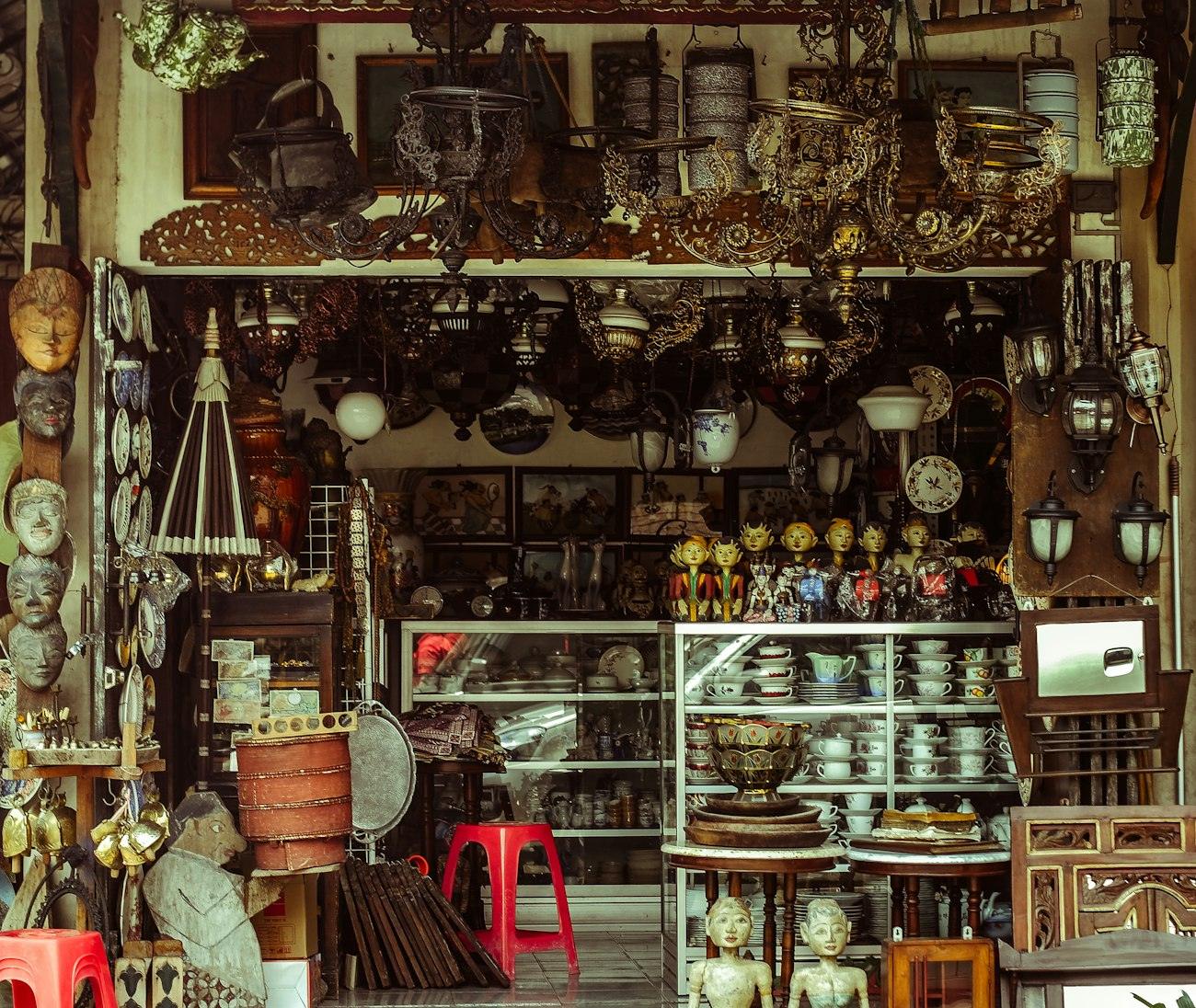
The last Tuscan-feeling town before Liguria takes over, and it eats like both. A long straight main street of antiquarians and second-hand booksellers, the Firmafede fortress above the roofs, and in August the whole centre turns into an antiques fair. Half an hour from the Golfo dei Poeti, so it pairs with a day on the water.
Castiglioncello
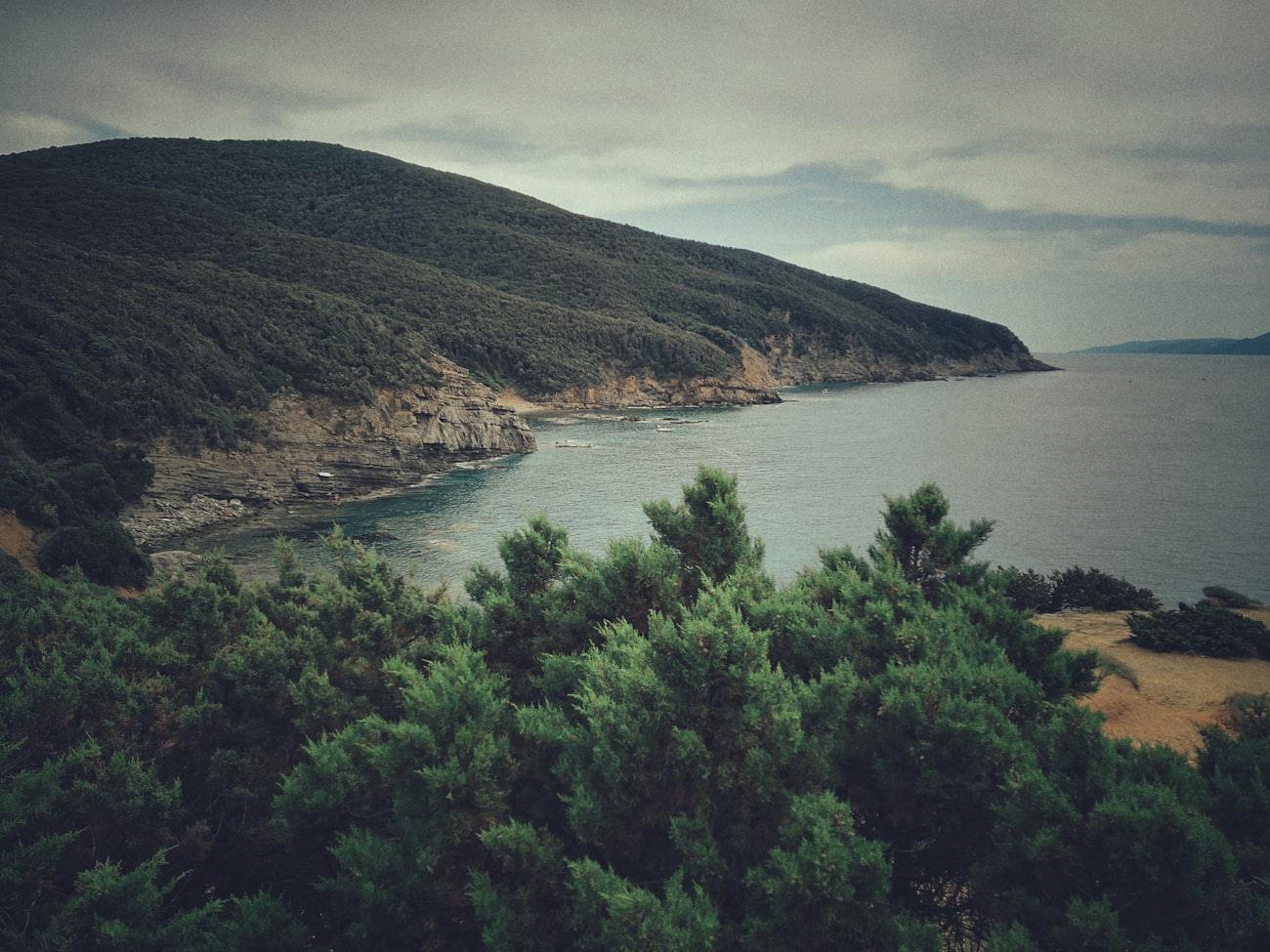
Red cliffs dropping into clear water, coves under a pine wood, and an old Etruscan promontory the Macchiaioli painted until it became a school. Later the film people came: Il Sorpasso was shot on these roads, and Alberto Sordi bought a house here. Castello Pasquini still runs a summer of dance and readings. The fish comes off the boats the same morning.
Peccioli
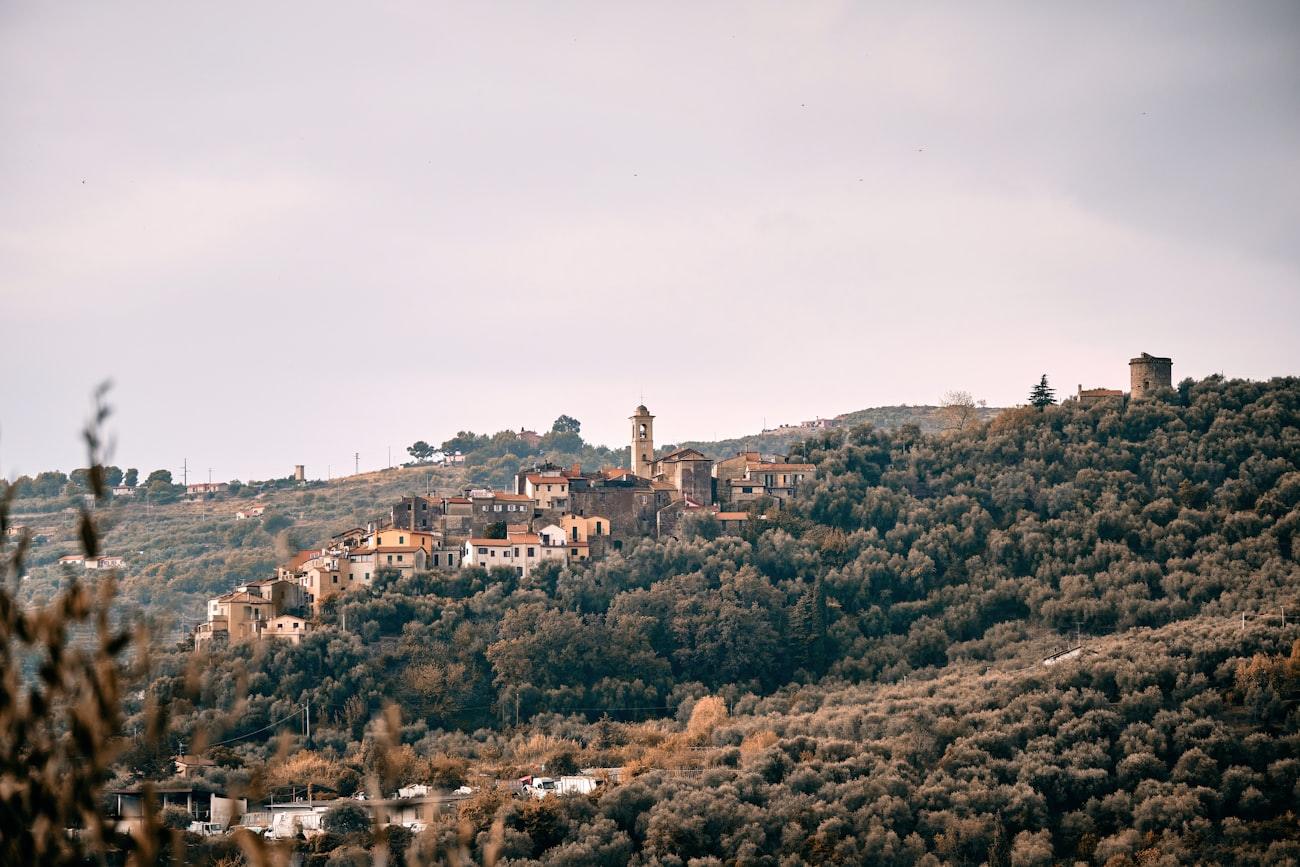
A hill town in the Valdera that decided, over thirty years, to spend what it earns on contemporary art and put it outdoors. Installations on the terraces, in the streets, along the edge of the valley — some of them at a scale you do not expect from a town this size. Worth an afternoon on the way inland, and it is quiet on a weekday.
Lajatico
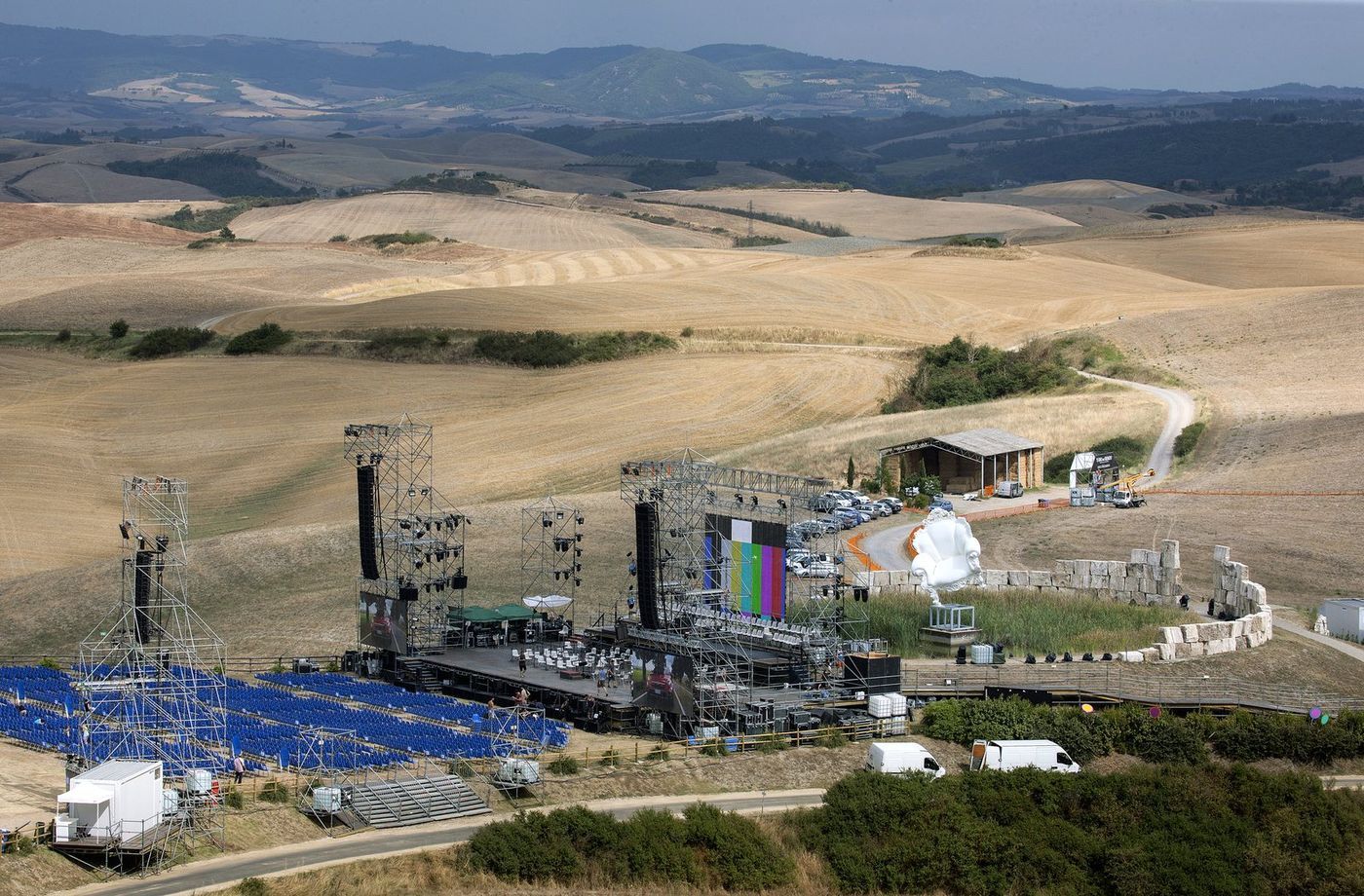
The Teatro del Silenzio is a natural amphitheatre cut between the hills, ringed with travertine blocks and works by sculptors including Igor Mitoraj. It stays empty and silent for 364 days a year and holds one concert on the 365th — Andrea Bocelli was born here and is its honorary president. Around it: wine, oil, honey, saffron, and an observatory that opens for star parties at weekends.
Castelfalfi
An entire medieval borgo — castle, church, houses, the lot — bought, restored and run as one estate, with a thousand hectares of vines, olives and woodland around it. There are no neighbours because the estate is the neighbourhood. Good for a family that wants space rather than a lobby, and it works as a base for the whole Valdera.
Cerreto Guidi
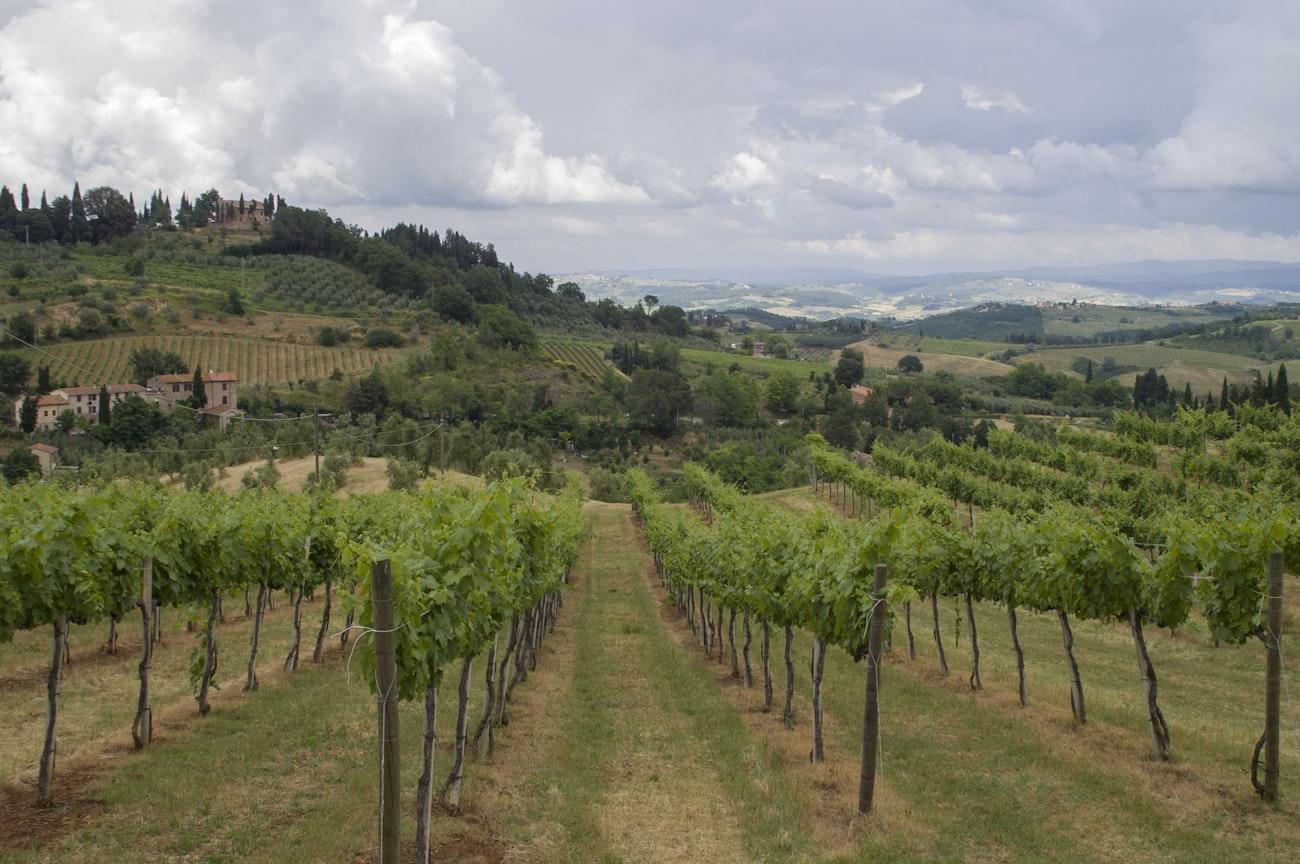
Small hills below Vinci, a Medici villa on the ridge, and cellars of three or four hectares where the person pouring is the person who picked. Sangiovese, Malvasia Nera, Colorino. A short way south the ground turns to truffle: white in autumn, and families who have been searching it for four generations take you out before dawn.
Val d'Orcia
The two days where the point is to do almost nothing. White gravel roads between Pienza and Montalcino, a pecorino dairy that ages its wheels in ash and hay, Brunello cellars where the tasting happens at the family table, and thermal water at Bagno Vignoni that has been running since the Romans. The horizon stays empty, which is the whole reason to come.